
Cybersecurity
An objective assessment of how protected you are
One of SafeCore’s core areas is building and developing information security systems. The company’s approach is based on comprehensive analysis of technology, processes, the human factor, network architecture and access policies — so the assessment is not reduced to a scan, but shows the state of protection as a whole.

-
 6
services in this area
from audit to recommendations
6
services in this area
from audit to recommendations
-
 5
areas of analysis
technology, processes, people, network, policies
5
areas of analysis
technology, processes, people, network, policies
-
 5
steps
from audit boundaries to priorities
5
steps
from audit boundaries to priorities
-
 6
artefacts
in the final report
6
artefacts
in the final report
Service scope
What the cybersecurity area covers
The work can be ordered as a full assessment cycle or as separate areas, depending on what is already known about the environment.
-
IT infrastructure audit
We assess the actual state of systems, networks and security controls, not the way it is described in documents.
-

Vulnerability analysis
We identify the weak points through which the environment could be compromised, and how reachable they are.
-

Risk assessment
We show what exactly is exposed and what business consequences each identified risk carries.
-

Cyber maturity assessment
We determine how far security processes are built systematically rather than resting on particular individuals.
-

Checking compliance with security standards
We compare the state of the environment against the requirements your organisation has adopted for itself.
-

Recommendations for raising the level of protection
We produce a prioritised list of changes: what to do first, what can wait.
Scope boundaries. Provided separately: implementation and system integration — carrying out the recommendations, training and knowledge transfer — working with the human factor, technical and project documentation — procedures and policies.
Situations
When a cybersecurity audit is needed
An assessment is needed when protection decisions have to be taken without the full picture.
-
Nobody can answer a simple question
Management asks how protected the organisation is, and no internal answer rests on verified data.
-
Protection was built piece by piece
Controls were added at different times by different people. Whether they cover the environment together is unknown.
-
There was an incident, or a near miss
You need to understand why it became possible, and what else is still open in the environment.
-
A partner or client asks about your security posture
An external assessment is needed, along with a clear document that can be shown as evidence of the current state.
Process
How the audit runs
The work is agreed in advance and does not disrupt systems that are in service.
-
Setting the boundaries of the audit
We agree which systems, sites and processes are part of the assessment. The output is a fixed scope of work.
-
Comprehensive analysis of the environment
We examine technology, processes, the human factor, network architecture and access and management policies.
-
Vulnerability analysis
We identify weak points in systems and configurations. The output is a list of vulnerabilities with an assessment of reachability.
-
Risk and cyber maturity assessment
We relate the findings to business consequences. The output is an assessment of risks and of the level of cyber maturity.
-
Recommendations and priorities
We produce a list of changes in order of priority. The output is a plan for raising the level of protection.
The audit is step 2 in the SafeCore approach, but cyber protection is present at every stage: from architecture to support. The full approach.
What is needed from the client — access to information about the environment and a few meetings with those responsible for IT and security.
Result
What you receive as a result
The materials are written so that technical specialists and management can both read them.
- A report on the results of the IT infrastructure audit
- A list of the vulnerabilities found
- A risk assessment
- A cyber maturity assessment
- A conclusion on compliance with security standards
- Recommendations for raising the level of protection
Questions
Frequently asked questions about the audit
How long does an audit take?
The duration depends on the number of systems and sites and on how wide the boundaries of the assessment are. Timelines are fixed once the scope of work has been agreed — which is exactly why the first step is separated from the rest. You see the schedule before work starts.
What does the cost of an audit depend on?
On the boundaries of the assessment: how many systems and processes are in scope, how deep the analysis needs to be and what form you expect the result in. The calculation is made once the scope has been agreed and commits you to nothing.
What is needed from our team?
Access to information about the environment and a few meetings with those responsible for IT and security. Some of the answers concern processes and policies, so we need not only the technical team but also someone who takes decisions.
Can we order the audit on its own?
Yes. The report with recommendations is a standalone result, and it can be acted on by your own team or with another contractor. If SafeCore continues the work, the next step is implementing the agreed changes.
Will the audit affect how our systems run?
The work is planned and agreed in advance. Any action that could in theory affect availability is carried out in agreed windows or on test environments. You approve the scope and the method of testing before work starts.
Next step
Ready to learn the real state of your protection?
Start with a conversation about the task — the scope and timelines are set after the preliminary analysis.

Full cycle
Related service areas
The audit result feeds into consulting, implementing the changes and training staff.
-
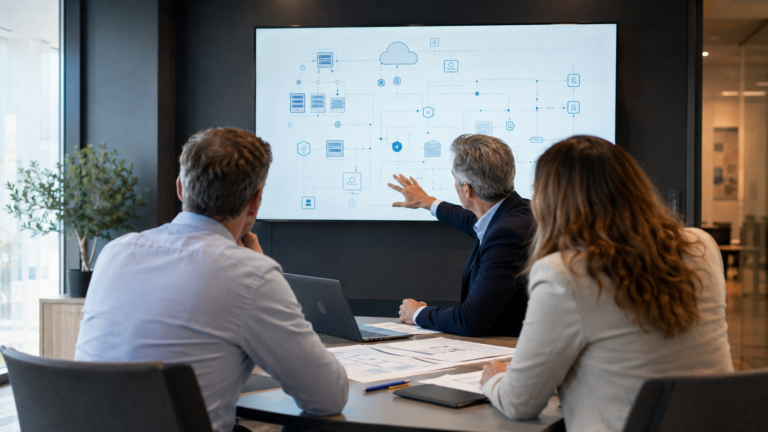

IT and Cybersecurity Consulting
Development strategy, risk assessment, solution architecture
Read more IT and Cybersecurity Consulting -
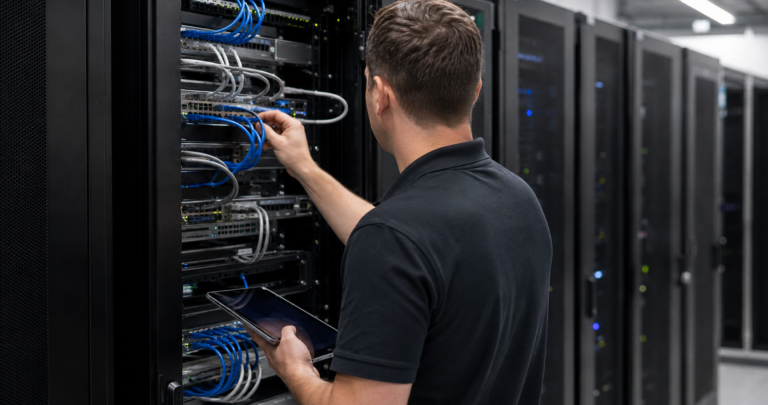

Implementation and System Integration
Installation, configuration, integration, testing
Read more Implementation and System Integration -


Training and Knowledge Transfer
Workshops, training, support after the rollout
Read more Training and Knowledge Transfer

